DSFSI at Deep Learning IndabaX South Africa: Computational Infodemiology
This week, the DSFSI team is taking centre stage at Deep Learning IndabaX South Africa. We are thrilled to be participating in a high-impact workshop focusing on a critical frontier in AI: Computational Infodemiology.
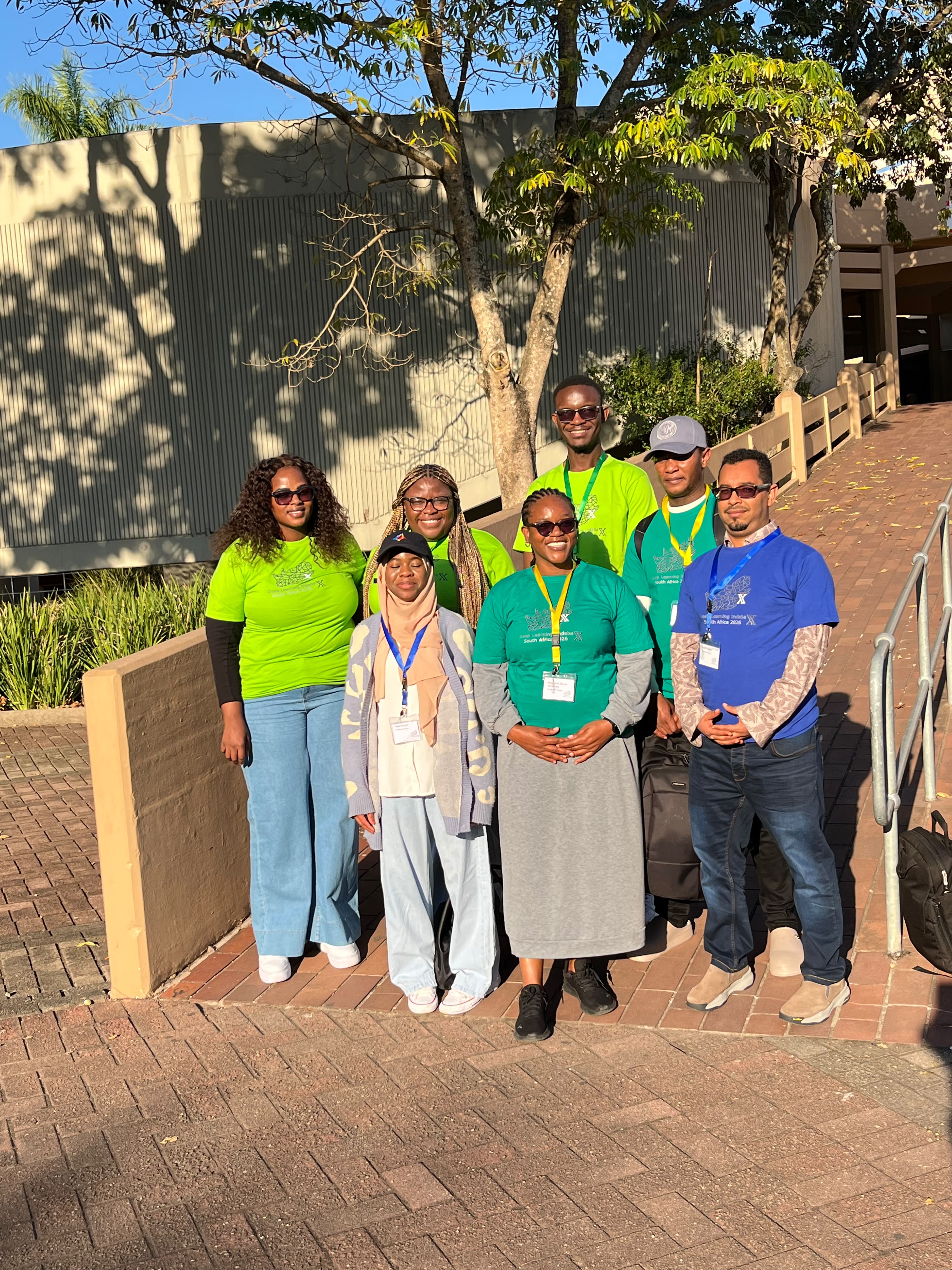
This week, the DSFSI team is taking centre stage at Deep Learning IndabaX South Africa. We are thrilled to be participating in a high-impact workshop focusing on a critical frontier in AI: Computational Infodemiology.
As we navigate an era of information overload, the ability to distinguish between truthful knowledge and systemic misinformation is no longer just a technical challenge — it’s a societal necessity. Our session explores how Retrieval-Augmented Generation (RAG) combined with Knowledge Graphs can provide the grounding necessary for reliable AI applications.
Key Highlights from the Workshop
The Multi-Lingual Frontier We showcased a prototype built to tackle COVID-19 misinformation, specifically optimised for English, isiZulu, and Sepedi. This highlights our commitment to ensuring that the benefits of LLMs are accessible in local contexts.
Theory Meets Practice Fiskani Banda led a deep dive into the theoretical framework of RAG and Knowledge Graphs, demonstrating how these systems can address knowledge gaps in specialised sectors, such as South African agriculture, where general-purpose models often struggle.
Hands-on Innovation Beyond the theory, participants got their hands dirty in a collaborative session (with partners from CSIR and UP) covering:
- Prompting strategies and generation frameworks
- Agentic approaches in RAG setups
- Practical misinformation detection workflows
The Collaboration
This workshop was a true community effort, featuring contributions from the CSIR, University of Pretoria (UP), and University of the Free State (UFS) teams.
- Date: 8 July 2026
- Time: 13:30 – 16:30
- Presenters: Seani Rananga, Fiskani Banda, Casper Muziri, Thapelo Sindane, Privolin Naidoo (CSIR), and Dr. Herkulaas Combrink
We were also joined by other team members including Dr Abebe Tegene, Nontokozo Manukuza, Moyahabo Rabothata, and Hawa Ibrahim, who all contributed to the session.
Stay connected with our work:
- DSFSI: https://linktr.ee/dsfsi
- AfriDSAI: https://linktr.ee/afridsai